
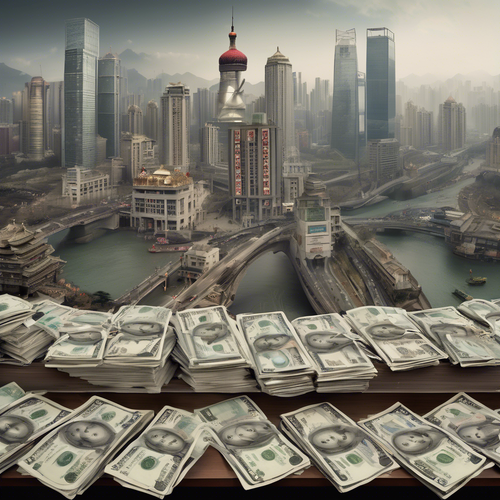
Big Savers, Big Debtors: The Financial Paradox of Modern China 💰📉
In a society celebrated for its frugality, where saving is woven into the very fabric of cultural identity, a curious irony unfolds: many Chinese individuals find themselves ensnared in the clutches of escalating debt. It seems the adage “a penny saved is a penny earned” has morphed into a precarious balancing act on a tightrope of consumerism. How can a populace renowned for its savings habits coexist with a mounting debt crisis? 🤔
China’s saving rate has been lauded globally as one of the highest, reaching approximately 45% of GDP in the past decade. Yet, like a mirage shimmering in the desert, these figures can be deceptive. The sheer volume of debt accumulated—both personal and corporate—has recently surged, propelling the nation into uncharted waters. This begs the question: is the pursuit of economic growth a double-edged sword, slicing through the very savings that once shielded its people? ⚔️
From Thrift to Thicket: The Shift in Consumer Behavior
Once characterized by austere saving practices, the Chinese consumer has embarked on a spending spree reminiscent of a bullet train hurtling down the tracks: swift, unrelenting, and with few brakes in sight. The explosion of e-commerce platforms, coupled with aggressive marketing tactics, has transformed many prudent savers into exuberant spenders. It’s as if they’ve traded their rusty piggy banks for flashy digital wallets, all while accumulating debts that echo through the alleys of urban landscapes. 🏙️
Interestingly, this shift is not merely a sign of the times but also a reflection of social pressures. Young professionals, caught in the crossfire of familial expectations and societal norms, often feel compelled to spend lavishly on weddings, housing, and status symbols. As one Chinese millennial puts it, “Saving feels like a relic of the past; my peers just want to live life now.” 💍
The Rise of Credit in a Saving Culture
Credit, once viewed with skepticism, has swiftly transformed into a beacon of consumer freedom. Accessible loans and credit lines have seduced the very savers who once prided themselves on self-restraint. The result? A slippery slope, where instant gratification replaces prudent decision-making like a tide sweeping away footprints in the sand. 🏄
As reported by the People’s Bank of China, household debt surged to around 63% of GDP in 202g 0, a staggering increase from 40% just a few years prior. The ramifications are profound, tethering millions to a cycle of repayment and anxiety as they navigate a complex web of personal loans and credit card debts.
Generational Gaps: A Tale of Two Economies
There’s a striking antithesis observable between the older generation, who remember the hardships of the past—when every yuan counted—and the younger cohort, who find themselves in a landscape rich with opportunity yet vulnerable to its traps. Picture the older generation as diligent gardeners, carefully cultivating their savings, while the youth are akin to exhilarating storm chasers, pursuing the whims of a consumerist culture with little regard for the impending squall of debt that looms ominously on the horizon. 🌪️
Anecdote of a Young Investor
Take the story of Li Wei, a 28-year-old software engineer in Shanghai who embodies this clash. Recently, he purchased an apartment on a whim, leveraging credit to fund his lifestyle—fast cars, weekend getaways, and extravagant meals. What started as a dream of home ownership became a burden, leading him to a reality where he juggles payments while drowning in sleepless nights. Li’s aspirations, while noble, highlight how modern desires can entrap the unwary amidst the hustle of a booming economy. 🚗
An Economic Awakening: Fear and Reform
Yet with every storm comes an opportunity for growth. As debt levels spiral, there’s a burgeoning awareness among consumers. Could financial literacy be the lighthouse guiding this shipwrecked fleet? Several initiatives are emerging, aiming to educate the youth about the importance of savings and prudent money management. Programs focus on helping individuals distinguish between constructive and destructive debt, promoting a careful approach towards credit. 📚
Data from recent surveys indicate that approximately 52% of young people express the desire to learn more about financial literacy, demonstrating a potentially transformative shift in attitude. With increased awareness, perhaps the age of reckless spending will give way to a revival of the frugal ideals that once defined the Chinese ethos.
Bridging the Gap: The Future of Savings in China
As China navigates this intricate maze of savings versus debt, the path ahead appears fraught with both peril and promise. What remains clear is that while the culture of saving has persisted, it must evolve alongside modern consumer behaviors to ensure financial health. The juxtaposition of traditional values with contemporary realities paints a picture not of contradiction, but of necessary adaptation. 🔄
As individuals reconcile their financial philosophies, it begs contemplation: Can China emerge as a society that saves smartly while navigating the pitfalls of a consumer-driven world? The answer may reside in a newfound harmony—a balance where savings and spending exist not in opposition, but as synergistic partners. Perhaps this delicate dance can help rewrite the narrative, transforming a nation of big savers drowning in debt into a landscape of empowered consumers, well-versed in the art of fiscal stewardship. 💪