
Vacant Chairs Amidst the Rising Waters: A Critical Look at Texas’ Weather Service 💧🌪️
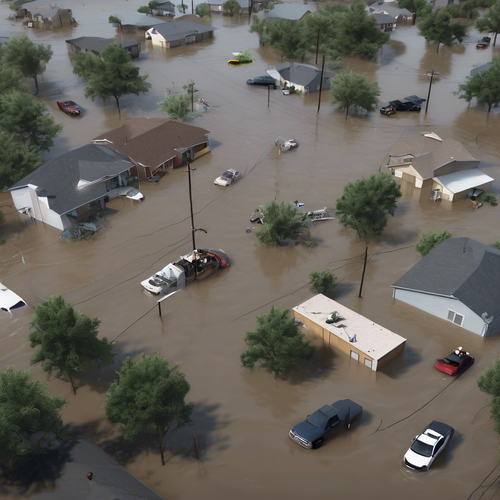
As the waters of swollen rivers surged into homes and businesses across Texas, the absence of key personnel in weather service offices served as a grim reminder of a growing paradox: in a state long accustomed to the vagaries of nature, the infrastructure designed to predict and protect was unexpectedly vulnerable. The irony? Just when Texans needed their weather service the most, some of its chairs lay woefully empty.
Could it be that the need to forecast catastrophic weather events was eclipsed by the mundane realities of bureaucratic inefficiency? With the climate crisis reshaping our understanding of weather patterns, the consequences of such vacancies have never been more apparent. In essence, we can now ask: how is it that a state with a legacy of heavy rainfall and devastating floods finds itself starved for personnel in its weather service? 🤔
A Vicious Cycle: Floods and Staffing Shortages
The recent floods in Texas did not come without forewarning. They arrived like an unwelcome guest, uninvited yet entirely predictable, stressing a system that was already on the brink. In some offices, critical forecasting positions remained unfilled for weeks, leaving behind a staff stretched thinner than ever—a tragic juxtaposition of needs and resources. Much like a jigsaw puzzle missing half its pieces, the system found itself less than whole when disaster struck.
Data from the National Weather Service (NWS) indicates that staffing levels have plummeted across many regions. It’s a stark contrast to the increased demand for accurate weather predictions amid a rising tide of climate-related disasters. As if echoing a darkly humorous sentiment, one could say that while floods chase people away, they also wash away the very defenses meant to hold nature at bay.
The Human Element: Experience Lost
The floodwaters don’t rise just overnight; similarly, neither does the expertise required to predict them. An experienced meteorologist is to weather what a seasoned captain is to a ship: the lifeline in tempestuous seas. Each unfilled position represents not just a statistical shortfall but a cascading loss of expertise, context, and instinct. It’s one thing to process data; it’s another to interpret it with the kind of nuanced understanding that only years of experience can provide.
Consider a newly minted graduate jumping into a meteorological role. They might be well-versed in the latest technology, but they lack the seasoned intuition of a professional who knows the land like the back of their hand, who can read the sky as if it were an open book. In times of crisis, this kind of insight can mean the difference between life and death.
Breaking the Cycle: How Do We Fix This?
So, how can we solve a predicament that involves both meteorological foresight and human capital? Addressing these staffing gaps may require more than just simply hiring new employees; it demands a re-evaluation of how the NWS is structured and perceived. Here are some potential solutions:
- Enhanced Incentives: Competitive pay and benefits that match the intensity of the job could attract top talent seeking stability amidst uncertainty.
- Diverse Recruitment Strategies: Targeting not only recent graduates but also seasoned professionals from other sectors can help build a workforce rich in experience and skill.
- Retirement Planning: A sustainable strategy that prepares for the natural flow of retirement, ensuring that new talent is onboarded before experienced workers depart.
- Comprehensive Training Programs: Elevating training to include ongoing development programs that foster adaptive learning and community engagement.
Each of these solutions strikes at the heart of the issue. It’s as if the weather service needs a storm-proofing strategy of its own: to build resilience from the inside out. Without such measures, we risk becoming a society that can forecast impending doom but fails to prepare for it. As the old saying goes, failure to plan is planning to fail—and this is something we can’t afford to overlook. 🌧️
The Cost of Inaction
Inaction in the face of this staffing crisis comes with a towering bill of human cost. As Houston’s streets turned into rivers, and folks fled their homes, the question echoed: who would save them from the rising tides? With unfilled desks comes a chilling realization: the waters may recede, but the scars of neglect will linger long after. Will we wait for the next flood to ignite action, or will we choose to fill those empty chairs now and prevent the devastation before it arrives?
In essence, the fate of Texan lives hinges not just on the accuracy of weather forecasts but on the very real human decisions that shape the institutions intended to protect them. And therein lies a challenge that is as complex as a weather system itself—a multifaceted storm brewing that requires not just foresight but a concerted effort to ensure that during the next deluge, every seat at the table is filled and every voice is heard. 🌩️