
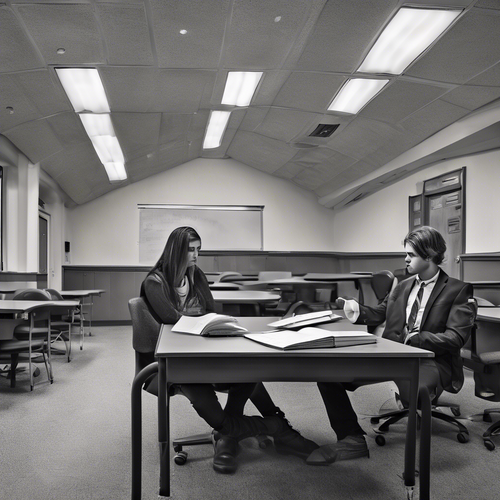
Former Criminology Student Is Set to Plead Guilty in Idaho Murders 😱
In a twisted tale that feels pulled from the pages of a dark novel, a former criminology student stands on the precipice of a guilty plea in connection with a brutal murder case in Idaho. What was once a promising academic journey has devolved into a grim narrative, encapsulating the irony of a student of crime succumbing to its depths. How did a scholar of the human mind plunge into the abyss of moral depravity?
The Anatomy of a Crime
The accused, who was once immersed in the rigorous study of criminology, is set to plead guilty to charges that have shocked an entire community. This is not just a case of murder; it is a profound betrayal of the very principles of justice that underpin the legal system. Seemingly equipped with knowledge of criminal psychology, this student of justice found himself enacting the very violence he studied—an echo of dark irony that raises a multitude of questions. 🤔
The details of the case are both harrowing and revealing. Reports indicate that the suspect was involved in a premeditated act, demonstrating not only a knowledge of crime but a cold calculation that belies his academic background. Some might argue it’s like watching a gifted musician turn his talents to compose haunting requiems instead of symphonies. Is this a failure of the educational systems that aim to reform? Or a testament to the unpredictable nature of the human psyche? 🔍
From Classroom to Courtroom
Interestingly, criminology is often viewed as the bridge between science and morality, a discipline that examines not just what crimes occur, but why they do. This case starkly illustrates the antithesis of that belief; one can be learned in the language of the law and yet remain a stranger to its ethical imperatives. ⚖️
As the legal proceedings unfold, it becomes imperative to ask: How do we distinguish between knowledge and wisdom? The classroom is a crucible for ideas, forging the minds of future leaders in justice and crime prevention. Yet, at what point does theoretical knowledge disintegrate into malevolent practice? It suggests a precarious tightrope walk between academia and moral decision-making, each step a question of ethics and consequence.
The Echoes of Impact
The implications of this case extend far beyond the courtroom. Community members are left grappling with the unsettling reality that one of their own—a student, a scholar—could devolve into a figure of profound horror. This incident draws a stark contrast between the ideals of education as a means of upliftment and the very real potential for misuse of knowledge1.
- Community Response: How does a community forgive when the perpetrator resides among them? The fallout reverberates through families, friendships, and neighborhoods.
- Academic Implications: Will this case ignite discussions within criminology programs about the psychological preparedness of students entering the field? 📚
- Media Impact: The role of media in sensationalizing crime stories often complicates public perception. Does it serve the cause of justice or further sensationalizes tragedy?
As the world watches, the former criminology student prepares to formalize his guilt—an unsettling commitment to accountability that seems to elude so many. Yet, one can’t help but ponder the duality of justice in this case: justice for the victims stands juxtaposed with the tragic tale of a life deeply marred by its own choices. Sometimes, the path from student to criminal is paved with irony, as poignant and sharp as the blade that ended lives. What does this say about the nature of evil in a world keen on understanding it? 🕵️♂️
Ultimately, the story of this case serves as a sobering reflection on the interplay between knowledge and morality, questioning if education is enough to guard against the dark recesses of human depravity. Will the lessons learned extend beyond the confines of syllabus and classroom? Only time will tell.