The Papal Succession: Eyes Turn Towards the Next Conclave Amid Francis’s Enduring Influence
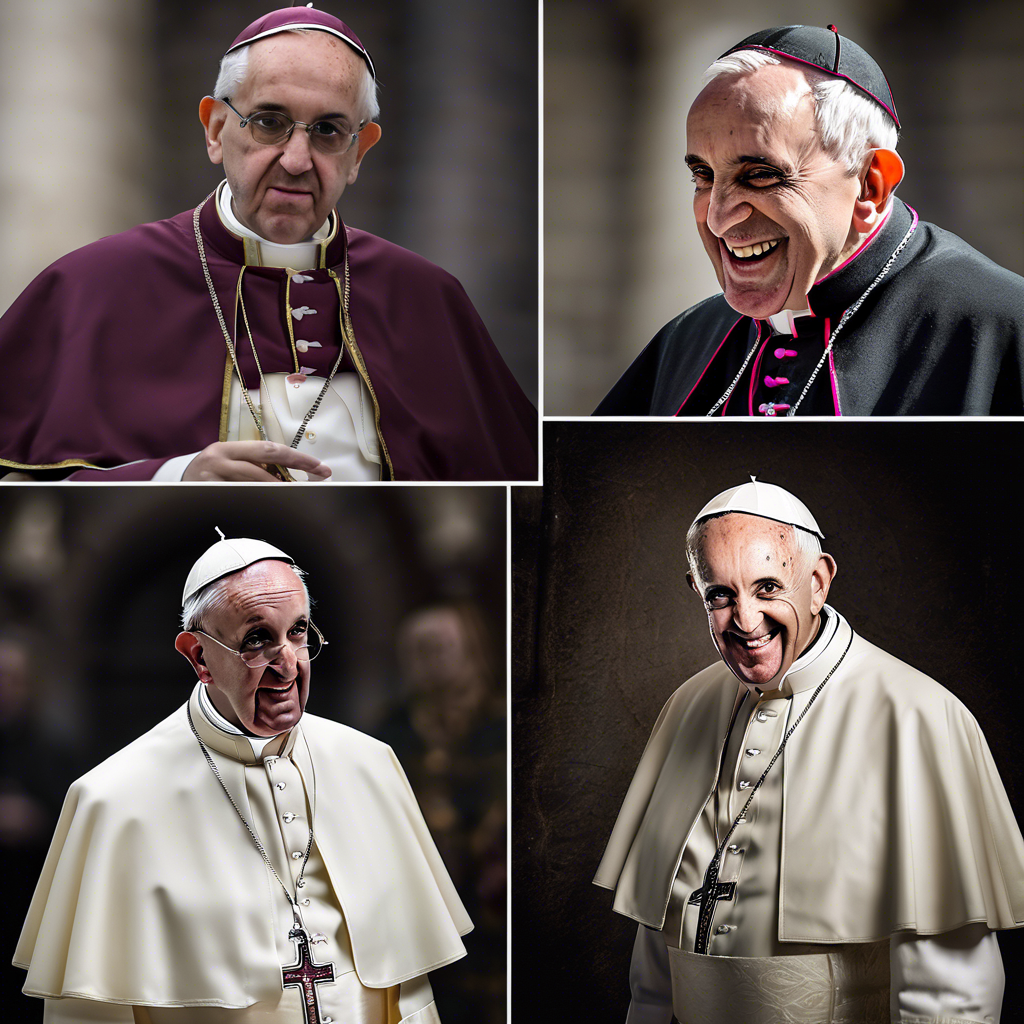
With Pope Francis now well into his eighties and navigating the physical challenges that accompany age, the question of who might succeed him as leader of the world’s 1.3 billion Catholics inevitably surfaces with increasing frequency within Vatican corridors and among Church observers globally. While the timing remains uncertain – popes serve for life unless they resign, as his predecessor Benedict XVI did – the profile of the man who will next emerge onto the loggia of St. Peter’s Basilica is a subject of intense, albeit discreet, speculation. 🇻🇦
Francis’s pontificate, marked by its emphasis on mercy, outreach to the peripheries, synodality, and tackling issues like climate change and economic inequality, has significantly reshaped the College of Cardinals, the body responsible for electing the next pope. His appointments have dramatically shifted the geographical balance, reducing European dominance and elevating voices from Asia, Africa, and Latin America. This transformation ensures the next conclave 🗳️ will be perhaps the most globally representative in history, but it also complicates predictions.
The Francis Effect: A Transformed College of Cardinals
Pope Francis, elected in 2013, has appointed roughly two-thirds of the current cardinal electors (those under 80 years old eligible to vote in a conclave). He has often bypassed traditional large archdioceses in favor of appointing cardinals from smaller, more remote areas, reflecting his “periphery” focus. This strategy has created a less predictable electorate, potentially less bound by traditional alliances or geographical blocs seen in past conclaves.
Key themes likely to weigh on the cardinals’ minds include:
- Continuity vs. Correction: Will the cardinals seek a successor who largely continues Francis’s pastoral and reforming path, or will they opt for a figure perceived as offering more doctrinal clarity or a different governing style?
- Synodality: Francis has championed a “synodal Church,” emphasizing listening and walking together. How committed will the next pope be to this complex and sometimes contentious process?
- Church Governance and Reform: Ongoing efforts to reform the Roman Curia, ensure financial transparency, and decisively address the clerical abuse crisis remain critical.
- Global Challenges: The Church faces diverse challenges worldwide, from secularization in the West to persecution in parts of Asia and Africa, and poverty and instability in Latin America. The next pope’s global perspective will be crucial. 🌍
The Secretive Process: Electing a Pope
The papal election, or conclave, is steeped in tradition and secrecy. Cardinal electors gather in the Sistine Chapel, cut off from the outside world, until one candidate receives a two-thirds majority. The process involves prayer, reflection, and multiple rounds of voting. Smoke signals – black for an unsuccessful vote, white for a successful election (fumata bianca) – announce the outcome to the waiting world. The old adage often proves true: “He who enters the conclave a pope, leaves a cardinal,” highlighting the unpredictable nature of the election.
Potential Contenders: Who Are the *Papabili*?
Identifying *papabili* (potential papal candidates) is notoriously difficult. Cardinals are discouraged from campaigning, and consensus can shift dramatically within the sealed environment of the conclave. However, several figures are frequently mentioned based on their experience, leadership roles, and perceived alignment with different visions for the Church. Here are some prominent names:
Cardinal Luis Antonio Tagle (Philippines) 🇵🇭
Current Role: Pro-Prefect for the Section of Evangelization of the Dicastery for Evangelization.
Age: Born 1957.
Profile: Often seen as embodying the “Francis effect.” Known for his pastoral warmth, communication skills, and focus on evangelization, particularly in Asia. His relatively young age and experience in a key Vatican department make him a strong contender, representing both continuity and the Church’s global future. He faced some scrutiny over his handling of certain issues while Archbishop of Manila, but remains highly regarded by many colleagues.
Cardinal Matteo Zuppi (Italy) 🇮🇹
Current Role: Archbishop of Bologna, President of the Italian Episcopal Conference.
Age: Born 1955.
Profile: Closely associated with the Sant’Egidio Community, known for its peacebuilding and social work. Zuppi is viewed as a pastor deeply aligned with Francis’s priorities of mercy, dialogue, and attention to the poor. His role leading the Italian bishops and his recent appointment as Francis’s peace envoy for Ukraine have raised his international profile. He represents a potential Italian candidate who embodies the current pontificate’s spirit. 🕊️
Cardinal Pietro Parolin (Italy) 🇮🇹
Current Role: Cardinal Secretary of State.
Age: Born 1955.
Profile: As the Vatican’s top diplomat and administrator since 2013, Parolin possesses unparalleled experience in Church governance and international relations. He is seen as a steady hand, respected across different theological lines. While representing continuity in administration, some view him as potentially more moderate or traditional than Francis on certain doctrinal or disciplinary matters. His deep knowledge of the Curia could be seen as either an asset or a liability, depending on the electors’ priorities.
Cardinal Péter Erdő (Hungary) 🇭🇺
Current Role: Archbishop of Esztergom-Budapest.
Age: Born 1952.
Profile: A highly respected canon lawyer and intellectual figure within the European episcopate. Erdő served twice as President of the Council of Episcopal Conferences of Europe (CCEE). He is generally considered more theologically conservative than Pope Francis and might appeal to cardinals seeking a return to greater emphasis on doctrinal clarity and European tradition. His deep experience and stature make him a significant European figure. ⛪️
Cardinal Charles J. Scicluna (Malta) 🇲🇹
Current Role: Archbishop of Malta, Adjunct Secretary of the Dicastery for the Doctrine of the Faith.
Age: Born 1959.
Profile: Widely recognized for his long-standing and determined work investigating clerical sexual abuse cases, first as Promoter of Justice at the then-Congregation for the Doctrine of the Faith. Scicluna is seen as a credible voice for reform and accountability in this critical area. His expertise is undeniable, though his primary focus has been narrower than that of a typical *papabile*. He could emerge as a candidate focused on purification and institutional integrity. 🛡️
Factors Beyond the Names
The choice will not merely be about individual personalities. Cardinals will weigh factors like:
- Pastoral Experience: A proven ability to lead a diocese and connect with the faithful.
- Leadership & Governance: The capacity to manage the complexities of the universal Church and the Vatican bureaucracy.
- Theological Vision: A clear sense of direction for the Church in the 21st century.
- Age and Health: Balancing the need for vigor with the wisdom of experience.
- Geographical Origin: The symbolic importance of the pope’s background in a globalized Church.
An Uncertain Future, A Momentous Choice 🙏
Predicting the outcome of a papal conclave is a notoriously futile exercise. The Holy Spirit, as believers would emphasize, plays the ultimate role. Yet, analyzing the profiles of the cardinal electors and the key figures among them offers insight into the currents shaping the Catholic Church today.
The legacy of Pope Francis has profoundly influenced the body that will choose his successor. Whether they opt for continuity, a recalibration, or a completely new direction, the decision made behind the locked doors of the Sistine Chapel will reverberate across the globe, setting the course for one of the world’s oldest and largest institutions in the years to come.