After a Hero’s Fall, What to Do With the Art That Honored Him? 🏛️🤔
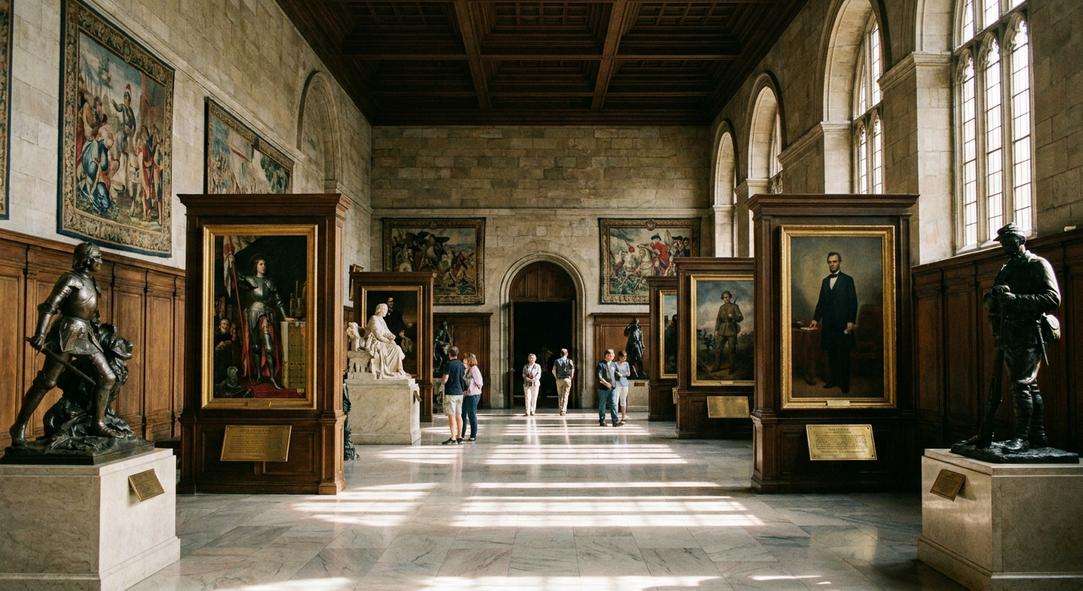
Once, they stood like giants of bronze, marble, and conviction, these pillars of society immortalized through art. Today, clouds have cast shadows upon their grandeur, leaving us with a question as weighty as the materials themselves: what to do with the statues and portraits that once celebrated figures now fallen from grace? When history turns its gaze, how should we react when our heroes resemble not titanic figures, but flawed mortals whose deeds are scrutinized under the fierce light of modern values? 🧐
The Hero Construct: A Fallible Icon
Heroes, paradoxically, are as enduring as they are ephemeral. History has a penchant for cheering on champions yesterday but deriding them today. This isn’t merely the result of our heightened social conscience; rather, it mirrors a deeper trend—the eventual unraveling of myth. With the tenacity of a river carving through rock, truth has a way of wearing down even the most impervious legends.
Consider once-celebrated leaders whose epic memorials now echo with questions about the value they represented. History, complex and multifaceted as a diamond in sunlight, is never paint-by-numbers. Yet when the paint begins to peel, it reveals the true canvas—and therein lies the trouble.
Cultural Memory: Sculpting the Future
More than just stone and steel, these pieces of art encapsulate our shared cultural consciousness. They serve as public mirrors, reflecting broader societal values and aspirations. But what happens when the reflection begins to fracture? 🖼️ Do we discard, contextualize, or merely replace the glass?
- Discard: Removing statues, much like toppling a king from his throne, sends a decisive message about contemporary values.⚔️
- Contextualize: This approach aims to educate, transforming monuments into visual essays on the impermanence of morality.
- Preserve Without Honor: Sometimes, art is preserved not for who it honors, but as a reminder of its deeper historical narrative.
The question of preservation versus obliteration is akin to an existential chess game, each move calculated but with the final outcome always uncertain. Art, like philosophy, should invite discourse, not demand obedience.
The Public Eye: Reconfiguring Legacy
Indeed, the public eye, fickle as a sea breeze, plays an instrumental role in reconfiguring these legacies. With each scandal unearthed or moral judgment passed, the gaze shifts, stripping or bestowing admiration. 👁️ At times, it seems as though those deceitful plinths might just as soon sprout feet and walk off, finally freed from the weight of their silent denunciation.
A Case Study: Charlottesville’s Cipher
An eloquent example lies in the heart of Charlottesville, where Confederate statues have become emblems of conflict as much as memory. What do we do with such icons—symbols of a divisive history that some wish to preserve while others long to dismantle?
Interestingly, these artefacts have become more than mere objects; they have evolved into springboards for public debate and reflection. Their existence forces us into a unique dialogue. Herein lies the irony—those mute stones spark conversations louder than any speech a politician might give.
Art’s New Life: The Path Forward? 🔄
In rethinking how we engage with art that represents fallen heroes, we might convolute old tales into a tapestry of complex realities. As we peer into the abyss of these storied pasts, doesn’t it also gaze back at us, challenging our own perceptions and certainties? Could we, perchance, consider an era where these stone castaways are repurposed, not as failures, but as catalysts?
- Transformation: Some have taken to recontextualizing art, integrating installations that invite dialogue rather than dictate narrative.
- Repurposing: In some communities, statues find new life in educational spaces, fostering historical literacy.
- Silent Witness: Finally, some monuments continue their silent vigil, custodians of a past they did not choose, bearing witness to the inevitable tide of change.
The act of reinvention, much like the renewal of seasons, holds promise for a future where art captures not static glorification, but resonates with dynamic interpretative power. We must, therefore, determine whether we possess the foresight—and, dare I say, the audacity—to reimagine these heroic vestiges as reflections of an evolving society. In doing so, perhaps we can honor the multifaceted legacy of history itself. ⏳